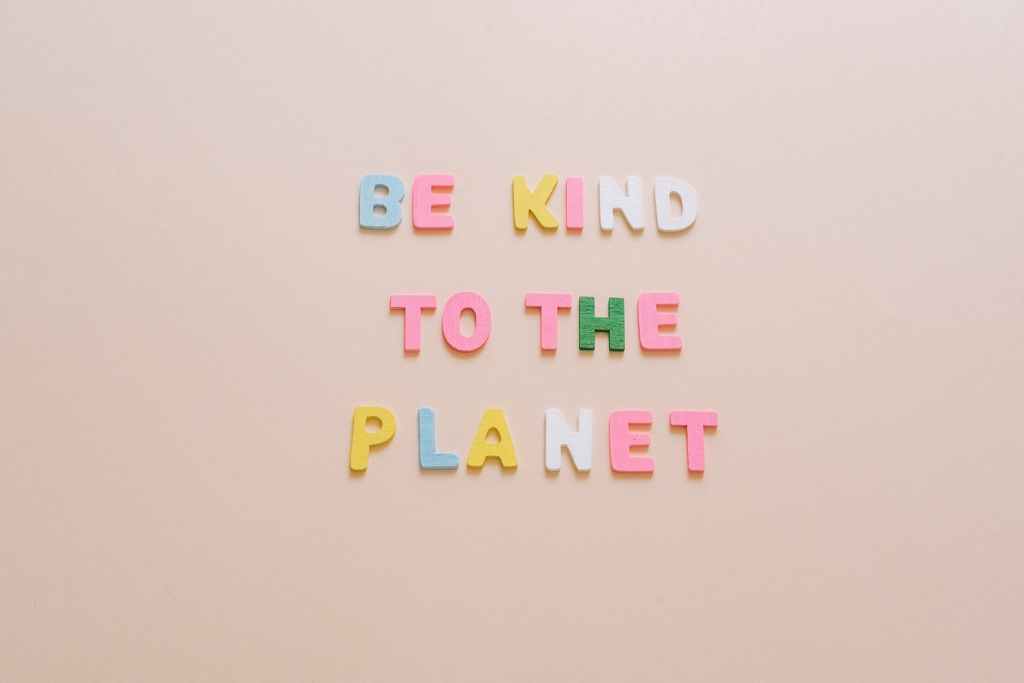
We all are aware about climate change. I want to bring some facts in front of my readers. So that, we can also contribute in saving our planet earth, by small lifestyle changes, which are necessary and urgently required. I will tell you, what we can do as global community and how it will be helpful and impactful for generations to come. If our earth will be happy🌍, so does our world 🌍.
Things which we can do in our daily routine.
* Recycle and reuse plastic By recycling and reusing plastic we save our environment from waste generated by it and decrease the demand for new such products for which fossil fuels are used and pollute the environment.
* Stop food waste We should not buy things more than our need. When we throw things in garbage, not only we waste money but the energy used in packaging, producing and distribution of that waste. So it’s necessary to stop food waste.
* Switch to led lights it is a simple way to lower your carbon footprints and save money. LED light bulbs use much less power than regular bulbs.
* Save water take a five minute shower instead of 10 minutes. turn off the tap while brushing your teeth.
* Unplug your appliances When we leave devices such as PC, TV, they still draw power, even when they are switched off. So, unplug your appliances when not in use. Plugged in devices use 7% of regular energy, even if turned off.
* Switch off lights when you leave the room it will save good amount of money.
* Eat plant based meal did you know eating less meat and dairy and more plant based food- such as vegetables, fruits, whole grain, nuts can significantly lower your environmental impact? Plant based food produce less greenhouse gas emissions and use less energy, land and water.
* Bring your bag can seriously reduce the amount of plastic waste of the world. Plastic bags not only pollute the ocean and environment, they clog sewers, kills wildlife and damage ecosystem.
* Buy local it is important to support local economies. Local food seriously reduce the climate impact and lowers carbon emitted to get that food on your table.
* Usereusable coffee mug by using less paper cups we help to save our environment so, lets use a reusable coffee mug.
* Air dry laundry it is not only gentle to your cloths but also save energy and money.
* Bring your bottle carry your own water bottle where ever you go, it will save us from plastic waste.
If we want to save our environment, not only for ourselves but for generations to come, we have to take actions now, towards different ways which lead to sustainability. These above mentioned small acts have huge impact on saving earth. This is a topic which is always neglected or we just read and think how a single person’s small act will have huge impact. We can share this message with our family and friends encourage them too. It will not only save money for you but will be beneficial in long run for saving environment.
We, as global family have responsibility towards mother earth,🌍 to nourish and save it. As its said in Gurbani :
Translation in English: Air is the Teacher, Water is the Father and Earth is the Mother of all. Day and night are the two nurses in whose lap whole world is at play.
Let’s join hands and fight against global threat, climate change. Every single act to save mother earth counts. Be a part of it.
There is something magical about India between October and December.
The monsoon has usually withdrawn, the air begins to turn pleasant, winter slowly approaches, and almost every part of the country seems to have a reason to celebrate. Homes are cleaned and decorated, markets sparkle with lights, shops fill their shelves with gifts and sweets, kitchens become unusually busy, and families begin making plans to meet one another.
This is India’s great festive quarter—a season of devotion, colour, shopping, food, music, family gatherings and community celebrations.
Although festivals differ enormously from one region and religion to another, they share a common thread: people come together.
October often begins with the powerful atmosphere of Navratri, Durga Puja and Dussehra. November brings the spectacular glow of Diwali, Govardhan Puja, Bhai Dooj and Chhath Puja, followed by the spiritual warmth of Guru Nanak Gurpurab. December brings Christmas, New Year preparations and a quieter transition towards the year ahead.
The exact dates change every year because many Indian festivals follow lunar calendars. In 2026, for example, Dussehra falls on October 20, Diwali on November 8, Guru Nanak’s Birthday on November 24 and Christmas on December 25.
OCTOBER — THE FESTIVE SEASON BEGINS
Navratri — Nine Nights of Devotion and Celebration
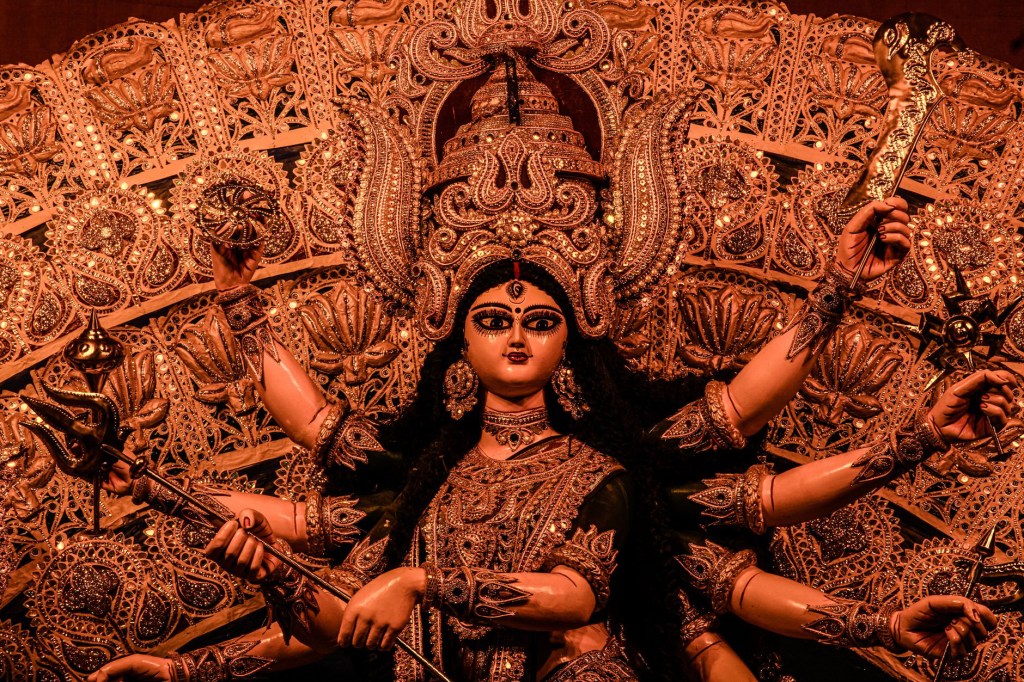
Navratri literally means nine nights. It is dedicated to the different manifestations of Goddess Durga and celebrates the power of Shakti—the divine feminine energy.
The deeper message associated with Navratri is the triumph of divine power over evil. In many traditions, devotees use these nine days for prayer, fasting, self-discipline and spiritual reflection.
But Navratri looks very different across India.
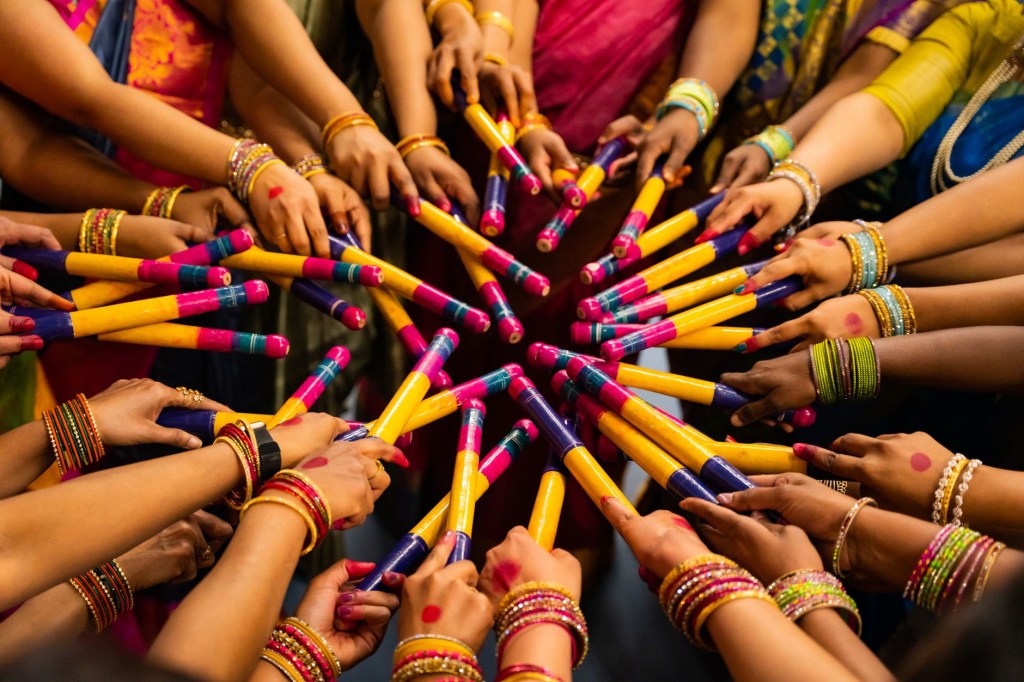
Gujarat: Garba and Dandiya
In Gujarat, Navratri becomes an extraordinary celebration of music and dance.
People dress in colourful traditional clothes, women wear beautifully embroidered chaniya cholis and jewellery, while men often wear kediyas and traditional outfits.
As the evening begins, people gather in large grounds and community spaces for Garba and Dandiya Raas.
Circles of dancers move to rhythmic music, sometimes continuing late into the night.
It is simultaneously a religious celebration, a cultural tradition and a huge social gathering.
North India
In North India, people may observe fasts, visit temples, perform aarti and organise devotional gatherings.
Markets begin changing their appearance. Bright clothes, jewellery, decorative items, sweets and festive accessories appear everywhere.
South India
In Tamil Nadu, Karnataka and Andhra Pradesh/Telangana, Navratri traditions include beautiful displays of dolls and religious figures, known in different regions by different names, along with music, prayers and gatherings.
Why Navratri is celebrated
At its heart, Navratri represents the victory of good over evil and the power of the divine feminine.
It is also a period of renewal—a time when people try to cleanse not only their homes but also their minds and habits.
Dandiya
India’s tourism ministry describes Navratri as one of the country’s most significant and ancient festivals, with particularly elaborate dance traditions in Gujarat.
Durga Puja — Kolkata Becomes a City of Art
For West Bengal, especially Kolkata, Durga Puja is much more than a religious festival.
It becomes a gigantic cultural event.
Temporary structures called pandals are constructed in neighbourhoods. Artists spend months designing them, sometimes turning them into extraordinary works of architecture and art.
Inside is the magnificent idol of Goddess Durga, traditionally shown defeating Mahishasura.
Families dress in new clothes and visit pandals throughout the city.
There is music, food, photography, cultural programmes and enormous crowds.
The final day, Vijaya Dashami, is marked by the immersion of Durga idols.
The symbolism is profound: Goddess Durga returns to her divine home, while devotees say goodbye with emotion and hope for her return the following year.
Durga Puja demonstrates something uniquely Indian: religion becomes art, community celebration, craftsmanship and culture all at once.
Dussehra — The Victory of Good Over Evil
Dussehra, also called Vijayadashami, marks the culmination of Navratri in many traditions.
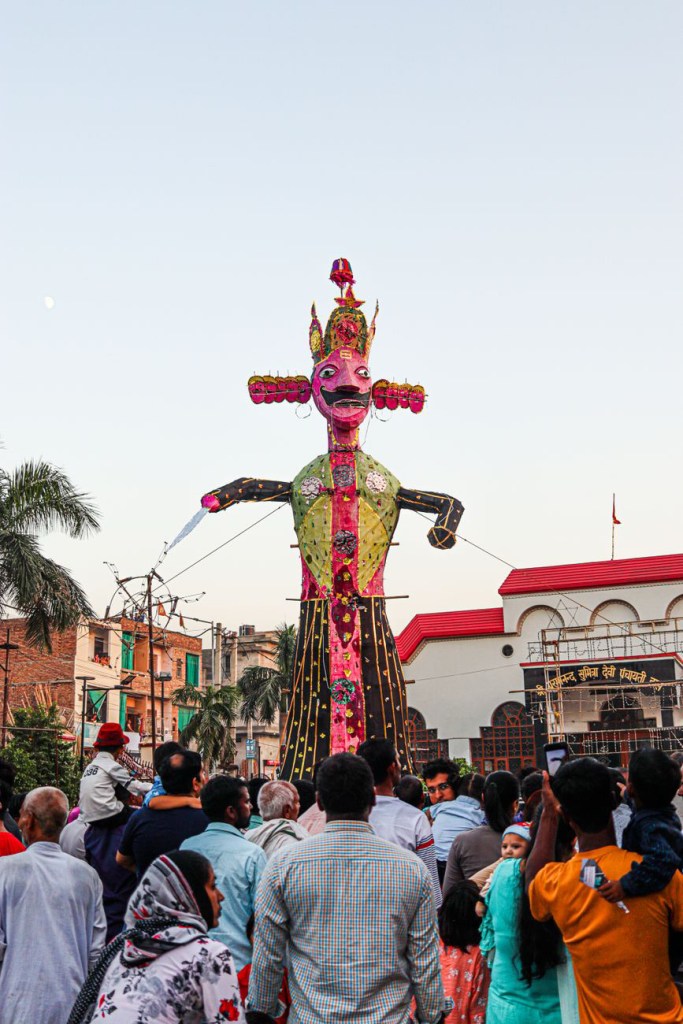
One of its best-known stories comes from the Ramayana: Lord Rama defeats Ravana after an epic battle.
Therefore, Ravana represents evil and the victory represents the triumph of righteousness.
In northern India, the most recognisable tradition is Ravan Dahan.
Huge effigies of Ravana, Kumbhakarna and Meghnad are constructed and burned in the evening.
Before this, many cities hold Ramlila, theatrical performances depicting episodes from the Ramayana.
Delhi, for example, becomes filled with Ramlila performances and Dussehra grounds.
The celebration is not simply about watching an effigy burn. It is a symbolic reminder that arrogance, injustice and evil ultimately cannot prevail.
Dussehra melas add another dimension. People eat street food, buy toys and handicrafts, enjoy rides and watch performances.
Karwa Chauth — A Day of Love, Prayer and Tradition
Karwa Chauth is observed particularly by married Hindu women in parts of North India.
Traditionally, women fast during the day and break the fast after seeing the moon.
The festival is associated with prayers for the well-being and longevity of one’s husband.
Women often dress in beautiful traditional clothing, apply mehendi, wear bangles and jewellery and gather with other women.
The evening is particularly beautiful.
Women prepare their karwa, decorate their puja thali and wait for the moonrise.
The festival has also evolved socially. For many families today, it is a celebration of marriage, companionship and family bonding alongside its traditional religious meaning.
NOVEMBER — THE MONTH OF LIGHT
If October is the beginning of India’s festive explosion, November often brings its brightest moment.
Diwali — The Festival of Lights
Diwali is perhaps the most visually spectacular festival of the Indian calendar.
It is associated with different stories and traditions across India, but one of the best-known is the return of Lord Rama, Sita and Lakshmana to Ayodhya after 14 years of exile.
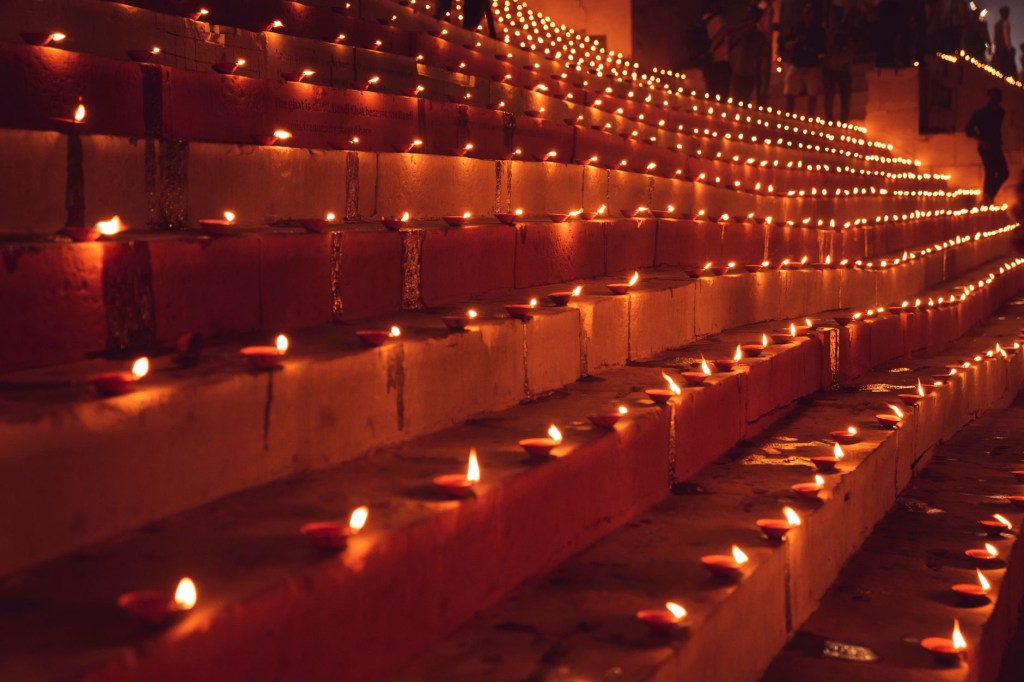
People are said to have welcomed them by lighting rows of diyas.
That is why light is at the heart of Diwali.
Light over darkness.Good over evil.Hope over despair.Knowledge over ignorance.
Homes are thoroughly cleaned.
Walls are decorated.
Rangolis appear at entrances.
Diyas and candles illuminate balconies, windows and doorways.
Fairy lights cover buildings.
Families perform Lakshmi Puja and pray for prosperity.
People buy new clothes, sweets and gifts.
Friends and relatives visit one another.
And, traditionally, fireworks light up the night sky.
The Government of India’s tourism information describes Diwali as the Festival of Lights, with homes decorated with diyas, candles and rangoli and families coming together for Lakshmi Puja, gifts and festive meals.
The Diwali Shopping Season
Diwali is also one of India’s biggest shopping periods.
Weeks before Diwali, markets become extraordinarily busy.
Jewellery stores sparkle.
Clothing shops display festive collections.
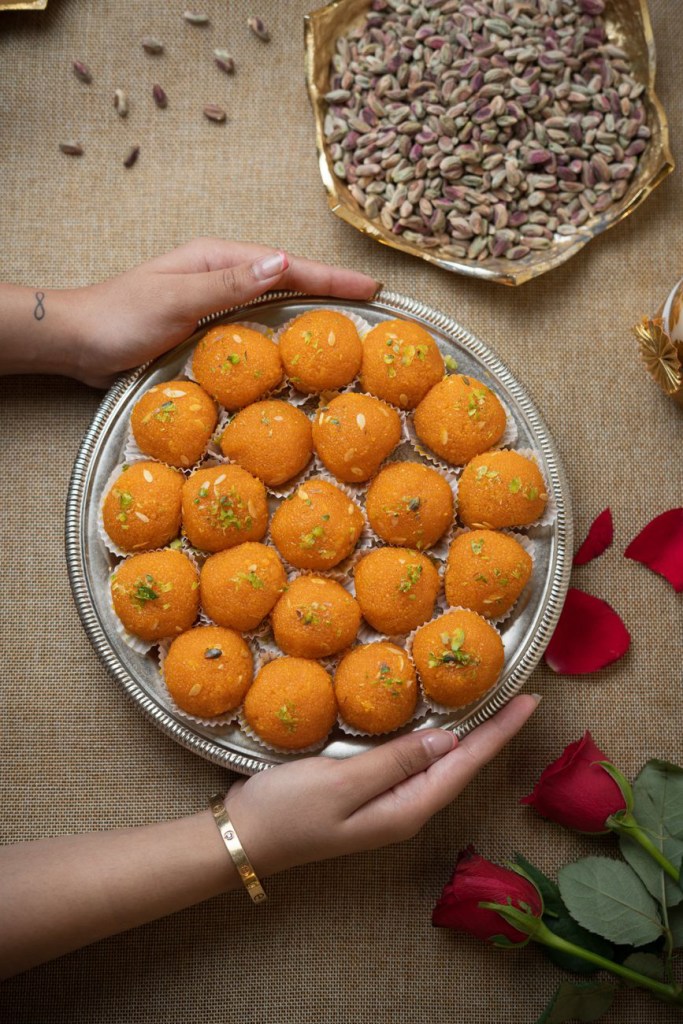
Sweet shops prepare enormous quantities of mithai.
Electronics stores advertise televisions, phones and appliances.
For many Indian families, buying gold during the festive season has an additional cultural significance because gold is associated with prosperity and auspicious beginnings.
Dhanteras — When Buying Becomes Auspicious
The Diwali season traditionally begins with Dhanteras.
The word is associated with wealth, and the day is considered auspicious for purchasing certain items.
People commonly buy:
Gold
Silver
Jewellery
Utensils
Household goods
New appliances
Jewellery markets become especially busy.
For some families, Dhanteras is not simply a shopping day—it is an opportunity to welcome prosperity into the home.
Govardhan Puja — Gratitude for Nature
The day after Diwali is associated in many Hindu traditions with Govardhan Puja.
The story comes from Krishna’s childhood in Vrindavan.
According to tradition, Krishna encouraged the people of Vrindavan to honour Govardhan Hill and nature rather than focusing solely on Indra.
When heavy rains threatened the village, Krishna lifted Govardhan Hill to shelter the people.
The festival therefore carries ideas of faith, humility, community and gratitude towards nature.
A symbolic Govardhan made from cow dung may be created in some households, and food offerings are prepared.
Bhai Dooj — Celebrating the Bond Between Brothers and Sisters
Bhai Dooj brings the Diwali period to a close in many parts of India.
Sisters traditionally perform a tilak ceremony for their brothers and pray for their well-being.
Brothers offer gifts to their sisters.
But the deeper meaning is the celebration of sibling love and family bonds.
After several days of religious ceremonies and social gatherings, Bhai Dooj creates an intimate family moment.
Chhath Puja — Gratitude to the Sun
Chhath Puja is especially associated with Bihar, Jharkhand, eastern Uttar Pradesh and parts of Nepal, although it is now observed by communities elsewhere as well.
It is dedicated to Surya—the Sun God—and Chhathi Maiya.
Devotees observe rigorous rituals, including fasting, bathing in sacred water and offering prayers to the setting and rising sun.
Families gather near rivers, ponds and other water bodies.
The sight of thousands of devotees standing in water during sunset and sunrise is remarkable.
Fruits, sugarcane, thekua and other offerings are carefully arranged in baskets.
The festival represents gratitude for the Sun, which sustains life, and prayers for health, prosperity and the well-being of family members.
Guru Nanak Gurpurab — A Celebration of the Guru’s Message
November also brings Guru Nanak Gurpurab, commemorating the birth of Guru Nanak Dev Ji, the founder of Sikhism.
It is a deeply spiritual celebration.
Gurdwaras are beautifully illuminated.
Devotees attend prayers and kirtan.
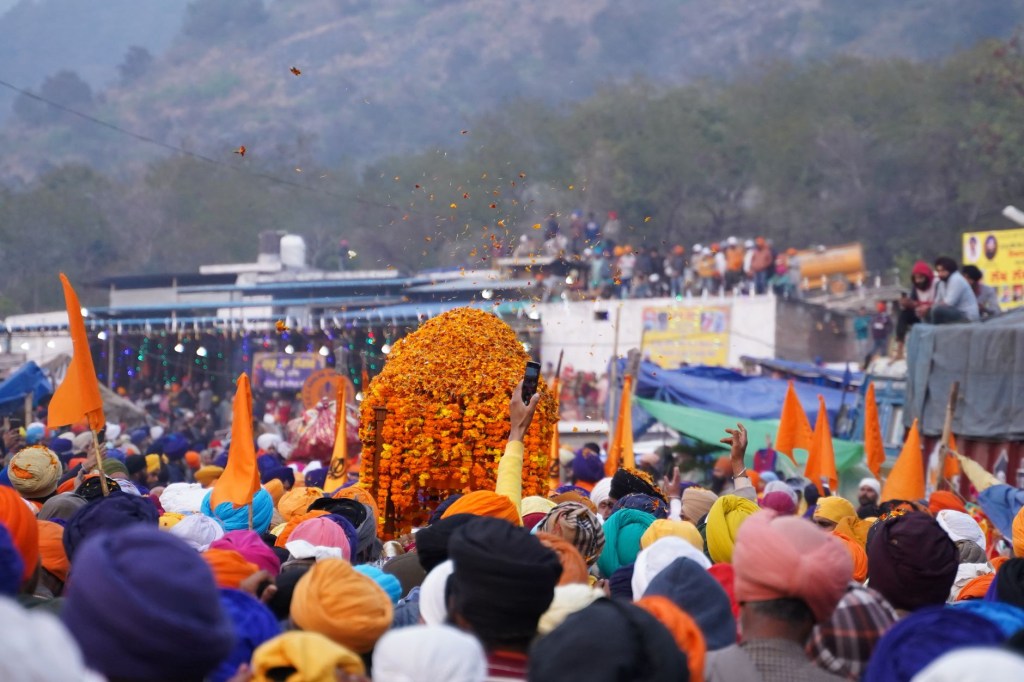
Processions known as Nagar Kirtan may move through cities and towns.
The Sikh scripture, Guru Granth Sahib Ji, is respectfully carried in procession in accordance with Sikh tradition.
One of the most beautiful aspects of Gurpurab is langar—a free community meal where everyone sits together regardless of social or economic background.
The festival celebrates Guru Nanak’s teachings of:
Naam Japna — remembering the DivineKirat Karni — earning through honest workVand Chhakna — sharing with others
It is a celebration of devotion, equality, humility and service.
WHAT HAPPENS TO INDIAN MARKETS DURING THE FESTIVE SEASON?
Perhaps the most fascinating part of India’s festive quarter is watching ordinary streets transform.
A normal market can become almost unrecognisable.
Shops Light Up
Shopkeepers decorate their entrances with:
Fairy lights
Marigold garlands
Torans
Diyas
Rangoli
Balloons
Festive signage
Shopping centres create enormous installations and themed decorations.
Even small neighbourhood stores participate.
Jewellery Markets Become Magical
Gold and jewellery stores are particularly important during the festive season.
Glass counters sparkle under bright lighting.
Gold necklaces, bangles, earrings and rings are displayed prominently.
Customers often consider Dhanteras and Diwali an auspicious time for jewellery purchases.
This creates an extraordinary combination of tradition, emotion, wealth and fashion.
Sweet Shops Become the Heart of the Market
During the festive season, sweet shops become almost theatrical.
Boxes are beautifully packed because sweets are not merely eaten—they are given.
A box of mithai can mean:
“Happy Diwali.”
“Congratulations.”
“Thank you.”
“I remembered you.”
“May your home remain prosperous.”
The Great Indian Festive Gift Culture
Corporate offices also participate.
Companies give employees and clients:
Dry-fruit boxes
Sweets
Chocolates
Decorative hampers
Tea and coffee
Premium gift sets
Vouchers
Silver articles
Families exchange gifts as well.
The festival therefore creates a cycle of generosity that extends beyond religious rituals.
Homes Become Miniature Celebrations
The festive season is also the time when people renovate and refresh their homes.
Some repaint walls.
Some buy new curtains.
Some replace furniture.
Others purchase:
Lamps
Cushions
Artwork
Plants
Decorative idols
Brass décor
Candles
Diyas
Rangoli materials
Festive tableware
Cleaning the house before Diwali is itself an important tradition.
There is something psychologically beautiful about entering a new season with a clean and organised home.
FOOD — THE FLAVOUR OF THE FESTIVE QUARTER
Indian festivals cannot be separated from food.
Every region has its own special dishes.
North India may have:
Chole, puri, halwa, kheer, samosas, pakoras and countless varieties of mithai.
Gujarat brings:
Fafda, jalebi, dhokla, khandvi and festive farsan.
Bengal is famous for:
Sandesh, rasgulla and mishti doi.
Bihar’s Chhath traditions include:
Thekua and carefully prepared offerings.
Punjab brings rich festive meals, while southern states have their own extraordinary range of sweets, savouries and traditional preparations.
Food is not merely nourishment during this season.
It becomes a way of saying:
“Come into my home. Sit with me. Eat with me. Celebrate with me.”
DECEMBER — CHRISTMAS AND THE END OF THE YEAR
After the intensity of October and November, December brings a different kind of festive atmosphere.
The weather becomes cooler in much of India.
Markets remain decorated.
Shopping continues.
And Christmas begins transforming cities into colourful winter wonderlands.
Christmas — Celebrating the Birth of Jesus Christ
Christmas is celebrated on December 25 to commemorate the birth of Jesus Christ.
Christians attend church services, particularly Christmas Eve and Christmas Day services.
Churches are decorated with:
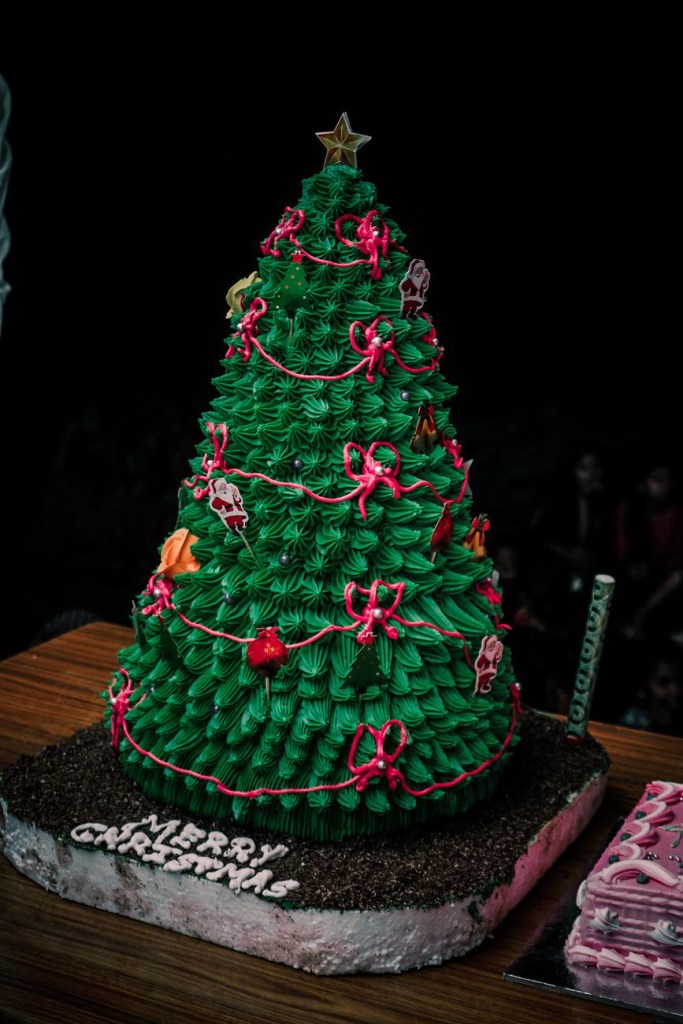
Christmas trees
Stars
Lights
Wreaths
Nativity scenes
Candles
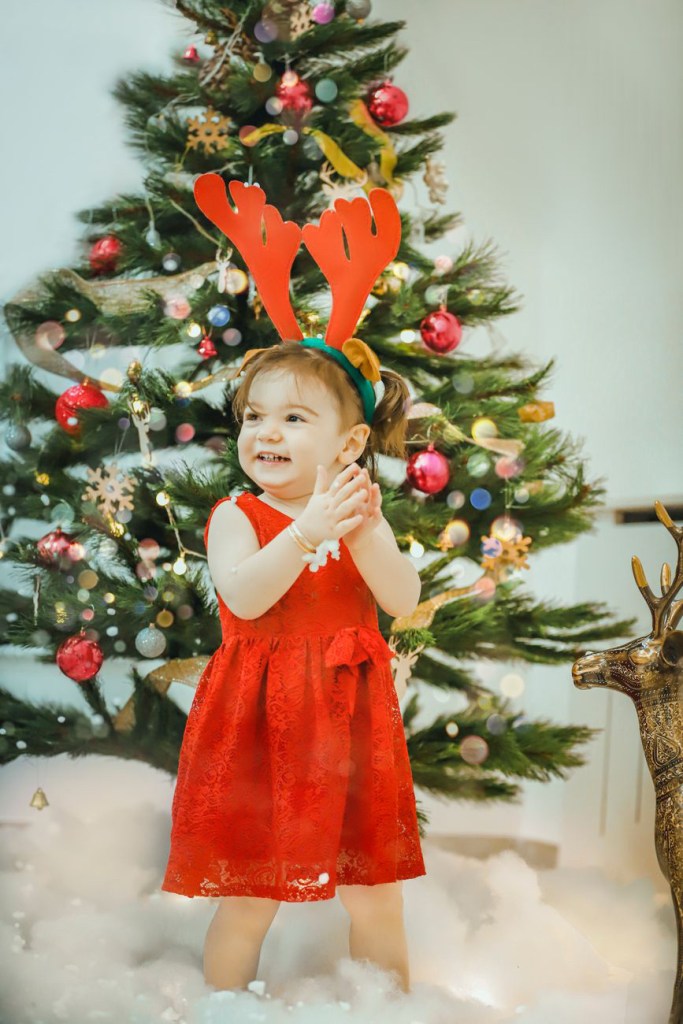
Homes are decorated with Christmas trees, lights and ornaments.
Children wait for Santa Claus.
Families exchange gifts.
And food becomes an important part of the celebration.
Christmas cakes, especially rich fruit cakes, are popular throughout India.
In places such as Goa, Kerala, Mumbai, Delhi and many other cities, Christmas markets and decorations create a distinctly festive atmosphere.
The Government of India’s tourism information notes that Christmas Eve services are followed by gatherings and festive meals on Christmas Day.
THE GREAT DECEMBER SHOPPING SEASON
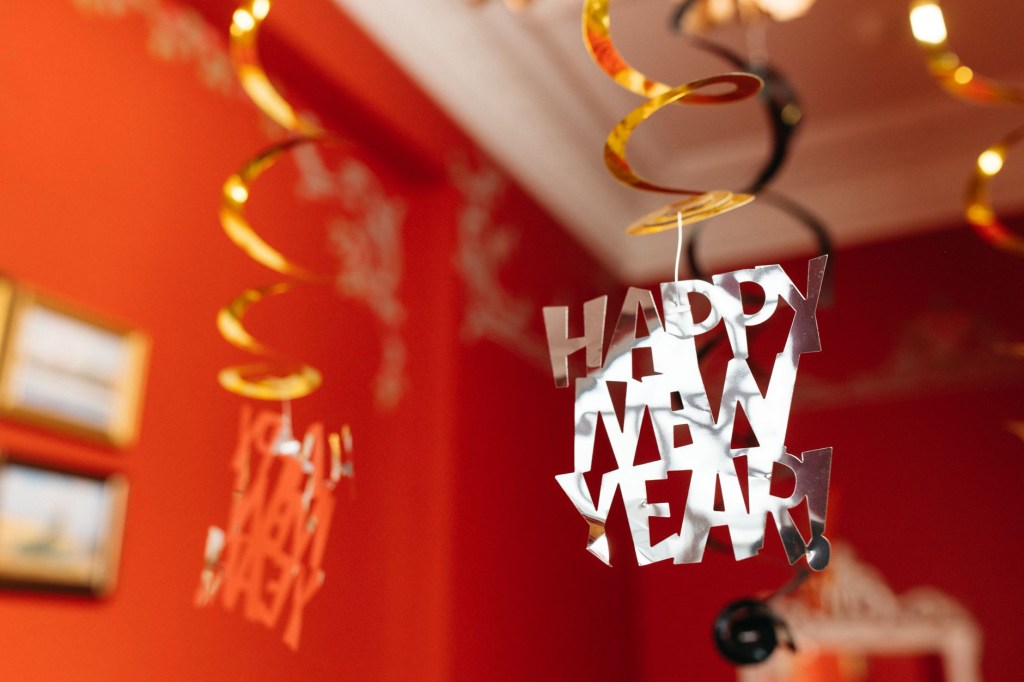
By December, many markets have moved from Diwali’s golden glow to Christmas and New Year decorations.
Shopping malls put up enormous Christmas trees.
Restaurants create festive menus.
Hotels organise Christmas dinners and New Year’s celebrations.
Gift shops fill with:
Santa decorations
Christmas ornaments
Cakes
Chocolates
Gift hampers
Greeting cards
Toys
And then comes the final celebration of the year:
New Year’s Eve.
NEW YEAR — SAYING GOODBYE TO THE OLD
Although New Year’s Eve is not a traditional Indian religious festival, it has become an important modern celebration.
Restaurants, hotels, clubs and public spaces organise parties.
Families may have dinner together.
Friends meet.
People exchange wishes.
Fireworks may light up the sky.
And social media fills with photographs and messages about new beginnings.
For many people, December 31 becomes a moment of reflection:
What did the year teach me?What did I achieve?What do I want to change?What do I hope for next year?
WHY OCTOBER, NOVEMBER AND DECEMBER FEEL SO SPECIAL IN INDIA
The magic of India’s festive quarter is not just the number of festivals.
It is the transformation of everyday life.
A quiet street becomes illuminated.
A simple shop becomes colourful.
A sweet shop becomes crowded.
A family that rarely meets finds an excuse to gather.
A neighbour sends sweets.
A child gets new clothes.
A grandmother prepares a traditional recipe.
A temple fills with flowers.
A gurdwara prepares langar.
A church lights candles.
A market stays open late.
A city begins glowing.
And suddenly, ordinary life feels extraordinary.
FESTIVALS MAY BE DIFFERENT, BUT THE EMOTION IS SIMILAR
India’s October–December festive season belongs to many faiths and communities.
Navratri teaches devotion and the power of Shakti.
Dussehra reminds people of the victory of good over evil.
Durga Puja celebrates divine feminine power while becoming a magnificent cultural celebration.
Diwali celebrates light, hope, prosperity and renewal.
Govardhan Puja reminds people of gratitude and nature.
Bhai Dooj celebrates sibling bonds.
Chhath expresses gratitude to the Sun and nature.
Guru Nanak Gurpurab celebrates the life and teachings of Guru Nanak Dev Ji and the values of equality and service.
Christmas celebrates the birth of Jesus Christ, alongside themes of love, generosity and family.
And New Year gives people an opportunity to look forward.
INDIA’S FESTIVE QUARTER IS MORE THAN A SEASON
It is an experience.
It is the smell of freshly prepared sweets.
The sound of temple bells.
The rhythm of Garba.
The glow of a diya.
The colours of a rangoli.
The sight of a beautifully dressed family.
The sound of Gurbani from a gurdwara.
The fragrance of incense.
The sparkle of jewellery shops.
The excitement of children waiting for gifts.
The crowded bazaars.
The warmth of a shared meal.
The beauty of Christmas lights.
And finally, the countdown to another year.
Perhaps that is why October, November and December hold such a special place in the Indian imagination.
India does not simply celebrate festivals.
India turns the entire country into a celebration.
From the first diya lit in October to the Christmas lights of December and the final countdown of New Year’s Eve, the last quarter of the year is a reminder of something deeply Indian:
Life is meant to be celebrated—with faith, family, food, generosity, colour and togetherness.
My favourite festivals are Diwali and Gurpurab. Which is your favourite festival ? Do comment and let me know.
Healing Crystals: Types, Meanings, Benefits, Placement & How to Care for Them
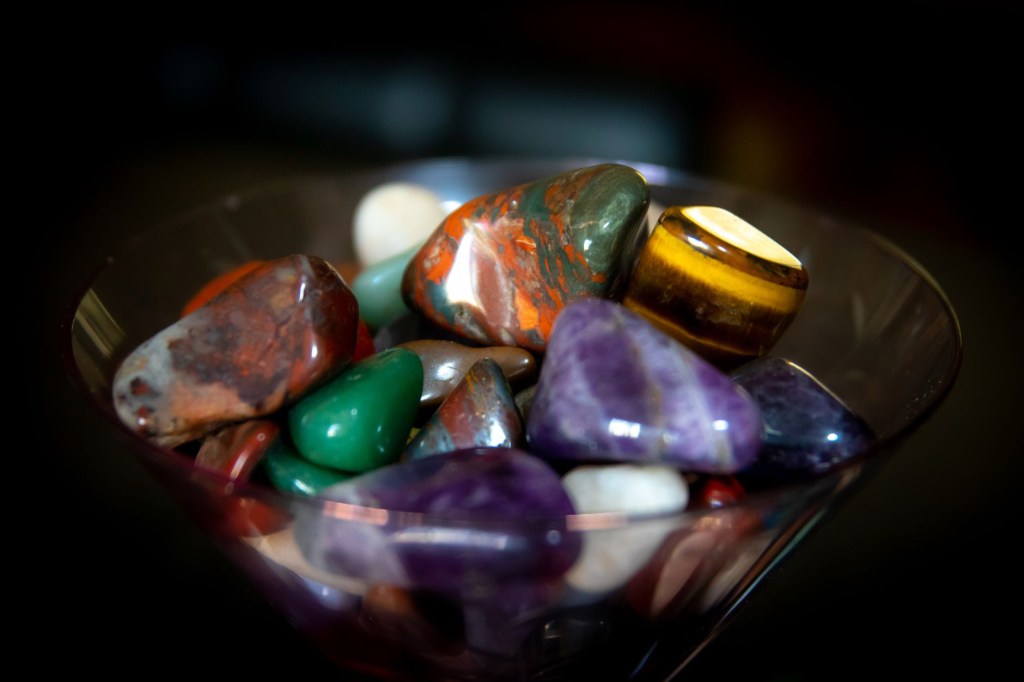
Crystals have fascinated people for centuries. Their colours, patterns, sparkle and natural formations make them beautiful objects, while many spiritual traditions associate particular crystals with qualities such as peace, protection, abundance, confidence and emotional balance.
Today, crystals are commonly used in meditation, mindfulness, home décor, jewellery and spiritual practices. Many people believe that crystals can support their intentions and create a calming atmosphere around them.
It is important to understand that these healing properties are based mainly on spiritual and traditional beliefs rather than scientific evidence. Crystals should therefore be viewed as complementary tools for reflection, meditation and personal rituals—not as replacements for medical treatment.
What Are Healing Crystals?
Healing crystals are naturally occurring minerals or stones that people use for spiritual or emotional purposes. Different crystals are traditionally associated with different intentions.
For example:
Amethyst is commonly associated with peace and relaxation.
Rose quartz is associated with love and compassion.
Citrine is traditionally linked with prosperity and confidence.
Clear quartz is often called a “master healer.”
Black tourmaline is associated with protection and grounding.
Green aventurine is traditionally connected with luck and abundance.
The idea is not necessarily that a crystal “cures” a particular problem. Instead, many people use it as a physical reminder of an intention they want to cultivate.
1. Amethyst — Peace, Calm & Spirituality
Amethyst is one of the most popular crystals because of its beautiful purple colour.
Traditional associations
Peace and relaxation
Meditation
Spiritual awareness
Emotional balance
Protection from negative energy
Many people keep amethyst in their bedroom or meditation area because of its association with calmness.
Where to place it
Bedroom
Meditation space
Study or reading area
Personal altar or spiritual space
An amethyst tower can also be used as a decorative focal point in a room.
2. Clear Quartz — Clarity & Energy
Clear quartz is transparent or translucent and is one of the most recognisable crystals.
It is traditionally considered an amplifying crystal.
Traditional associations
Mental clarity
Focus
Positive intentions
Meditation
Energy amplification
Because it is often associated with clarity, some people keep clear quartz on their desk while working or studying.
Where to place it
Study table
Work desk
Meditation area
Living room
A small clear-quartz tumble stone is particularly easy to keep beside a laptop, notebook or journal.
3. Rose Quartz — Love & Compassion
Rose quartz has a soft pink colour and is traditionally associated with the heart.
Traditional associations
Love
Compassion
Self-love
Emotional comfort
Harmony in relationships
It is often chosen by people who want to create a softer and more peaceful atmosphere.
Where to place it
Bedroom
Dressing table
Meditation area
Relationship or personal space
Rose quartz is also popular in jewellery.
4. Citrine — Abundance, Confidence & Positivity
Citrine is a yellow-to-golden coloured quartz.
It has traditionally been associated with prosperity, optimism and personal confidence.
Traditional associations
Abundance
Prosperity
Motivation
Confidence
Positive energy
Because of these associations, citrine is especially popular among people who like to keep symbolic objects related to financial goals and success.
Where to place it
Work desk
Office
Living room
Wealth-related area of the home
A small citrine tumble stone can easily be kept on a desk or decorative tray.
5. Green Aventurine — Luck & Growth
Green aventurine is a beautiful green stone often associated with opportunity and growth.
Traditional associations
Luck
Prosperity
Growth
Confidence
New opportunities
It is sometimes called a “stone of opportunity” in crystal traditions.
Where to place it
Work desk
Office
Living room
Personal meditation space
It can be particularly meaningful when starting a new project or setting new goals.
6. Tiger’s Eye — Courage & Confidence
Tiger’s eye has distinctive golden-brown bands that create a beautiful chatoyant effect.
Traditional associations
Courage
Confidence
Grounding
Focus
Personal strength
People often choose tiger’s eye when they want a symbolic reminder to remain confident and focused.
Where to place it
Work desk
Study
Living room
Jewellery
It is also commonly worn as a bracelet.
7. Black Tourmaline — Protection & Grounding
Black tourmaline is traditionally considered one of the most popular protective stones.
Traditional associations
Protection
Grounding
Emotional stability
Blocking negative energy
Some people keep it near entrances or workspaces as a symbolic protective stone.
Where to place it
Near the entrance
Work desk
Living room
Personal space
8. Selenite — Cleansing & Peace
Selenite is usually white and has a delicate, luminous appearance.
Traditional associations
Purification
Peace
Spiritual clarity
Cleansing
It is particularly popular among people who practise meditation or other spiritual rituals.
Where to place it
Meditation room
Bedroom
Spiritual space
Near other crystals
9. Labradorite — Transformation & Intuition
Labradorite is famous for its flashes of blue, green and gold.
Traditional associations
Transformation
Intuition
Self-discovery
Protection
Personal growth
It is often chosen during periods of change or when someone wants to focus on self-reflection.
10. Carnelian — Motivation & Creativity
Carnelian ranges from orange to reddish-brown.
Traditional associations
Motivation
Creativity
Confidence
Passion
Courage
Artists, entrepreneurs and people beginning creative projects sometimes choose carnelian as a symbolic reminder of energy and determination.
11. Lapis Lazuli — Wisdom & Communication
Lapis lazuli is a deep blue stone, often containing golden-looking pyrite inclusions.
Traditional associations
Wisdom
Communication
Self-expression
Intuition
Inner knowledge
It has been valued as a decorative and cultural stone for thousands of years.
12. Smoky Quartz — Grounding & Stability
Smoky quartz ranges from light brown to deep smoky grey.
Traditional associations
Grounding
Stability
Letting go
Emotional balance
Protection
It can be used as a decorative stone in areas where you want a grounded, peaceful atmosphere.
13. Black Obsidian — Reflection & Protection
Obsidian is volcanic glass and can have a smooth, glossy black appearance.
Traditional associations
Protection
Grounding
Self-reflection
Letting go of negativity
Because it is a natural volcanic glass rather than a crystal in the strict mineralogical sense, it is often described simply as a healing stone.
14. Moonstone — Intuition & Feminine Energy
Moonstone has a beautiful shimmering appearance known as adularescence.
Traditional associations
Intuition
Emotional balance
New beginnings
Inner reflection
Feminine energy
It is especially popular in jewellery.
15. Fluorite — Focus & Organisation
Fluorite can occur in green, purple, blue and other colours.
Traditional associations
Focus
Organisation
Mental clarity
Learning
Decision-making
It is often placed on study tables and work desks.
Crystal Placement Around the Home
You don’t need to fill your entire home with crystals. A few meaningful pieces are enough.
Bedroom
Traditionally associated with calming stones such as:
Amethyst
Rose quartz
Moonstone
Study or Work Area
Consider:
Clear quartz
Fluorite
Citrine
Green aventurine
Living Room
Suitable decorative choices can include:
Amethyst
Clear quartz
Citrine
Green aventurine
Labradorite
Entrance
People who follow crystal traditions often choose:
Black tourmaline
Black obsidian
Smoky quartz
The most important consideration is that the stone should be placed somewhere safe and where you genuinely enjoy seeing it.
Can Crystals Really Heal?
This is where spirituality and science need to be separated.
There is currently no good scientific evidence that crystals can cure diseases, repair organs, balance hormones, remove toxins or directly change a person’s health through an energetic field.
However, a crystal ritual can still have personal value.
For example, holding a crystal while taking five quiet minutes to breathe, meditate or set an intention may help someone feel calmer. The benefit may come from the relaxation ritual, attention, expectation and mindfulness rather than from a scientifically demonstrated healing property of the stone itself.
Therefore, crystals can be incorporated into a wellness routine, but they should not replace appropriate medical care, medication or professional advice.
How to Clean Your Crystals
Crystal traditions use several different cleansing methods.
1. Physical cleaning
For many stones, gently wiping them with a soft, dry cloth is sufficient.
2. Moonlight
Some people place crystals near a window overnight as a symbolic cleansing ritual.
3. Sound
A singing bowl, bell or gentle music can be used as part of a meditation ritual.
4. Intention
Some crystal practitioners simply hold the crystal and mentally set a fresh intention for how they want to use it.
Important:
Not every crystal should be put in water or direct sunlight. Some minerals can be damaged by water, heat or prolonged sunlight.
When in doubt, use a dry cloth, moonlight or sound rather than experimenting with water or strong sunlight.
How to Recharge Crystals
“Recharging” is a spiritual practice rather than a scientifically established process.
Common methods include:
Moonlight
Meditation
Sound
Placing the crystal in a peaceful space
Holding it while setting an intention
The ritual can be meaningful even if you view the crystal symbolically rather than believing that it literally stores energy.
Wearing Crystals as Jewellery
Crystals are commonly worn as:
Bracelets
Necklaces
Rings
Pendants
Earrings
The traditional meaning depends on the particular stone.
For example:
Amethyst: peace and spiritual awareness Rose quartz: love and compassion Tiger’s eye: courage and confidence Citrine: abundance and positivity Black tourmaline: protection and grounding
There is no scientifically established rule that a particular crystal must be worn on a particular hand or on a particular day. Those practices come from different spiritual and astrological traditions.
A Simple Crystal Routine
You don’t need complicated rituals.
Try this simple routine:
Choose one crystal that represents your current intention.
Hold it for a few moments.
Take five slow breaths.
Think about what you want to cultivate.
Keep the crystal somewhere visible.
Repeat the ritual whenever you need a moment of mindfulness.
For example:
Clear quartz → “I want clarity.” Amethyst → “I want peace.” Citrine → “I want to stay positive and focused on my goals.” Green aventurine → “I am open to growth and opportunity.” Rose quartz → “I will treat myself and others with compassion.”
Final Thoughts
The beauty of crystals is not only in their colours and natural formations. For many people, they become reminders of the qualities they want to bring into everyday life.
Whether you view crystals spiritually, symbolically, aesthetically or simply as beautiful pieces of nature, they can become part of a calming personal ritual.
The key is to enjoy them safely and realistically: let crystals complement your wellbeing practices, rather than expecting them to replace evidence-based healthcare.
Sometimes the most powerful part of a crystal isn’t the stone itself—it is the intention you attach to it.
I wear crystals as jewellery and they are also a part of my home. Try them and let me know which crystal you buy for home or as a jewellery.
How do you write what people actually want to read?
I write about my life experiences, it’s the most authentic and real thing which people love to read because everyone has their own perspective towards life. How you think and feel in a particular situation varies from person to person so I think this is what people like about my writings.
Share a hobby you’ve picked up recently — what got you into it?
Listening books on Audible. I love reading ,but due to weak eye sight I was unable read my favourite books too often. Then one day decided other way out to listen my favourite books on audible and it makes me so happy. Earlier I was so upset that due to weak eye sight I am not being able to read. Now , I have subscription of British council library and audible and it is fulfilling my hobby of reading in an incredible way.
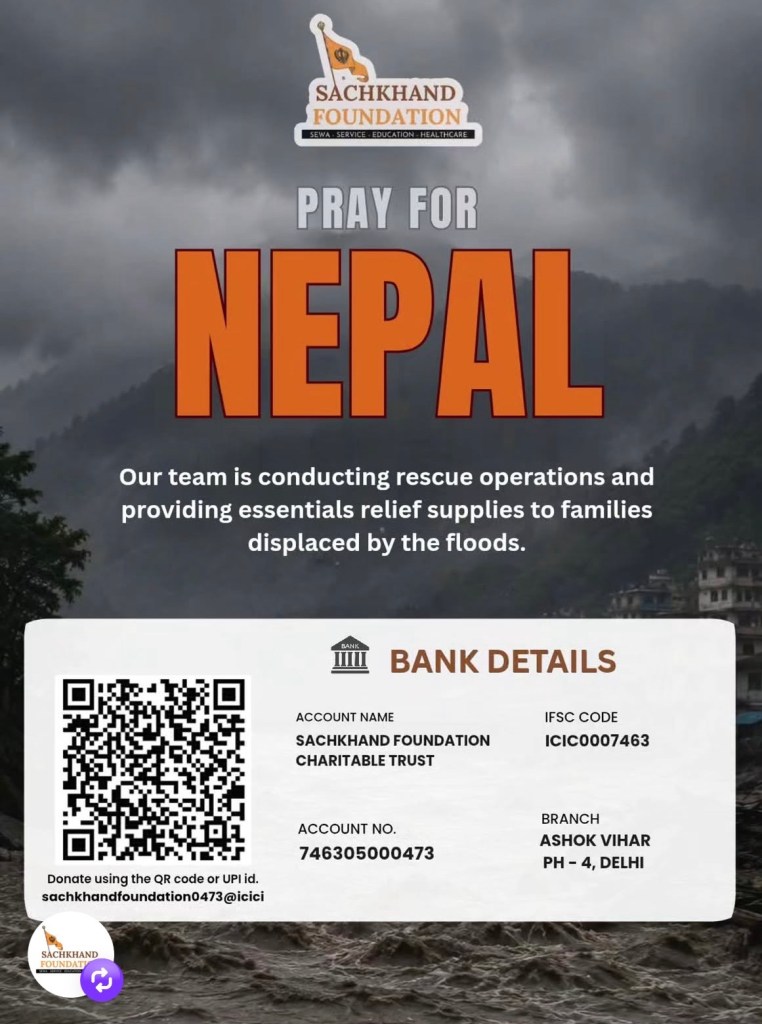
Global SikhUnited SikhUnited SikhUnited SikhSachkhand FoundationKhalsa Aid International
I had a chat with United Sikh which I shared here with you around 15 days back. Appeal to people around the world who want to donate please use this qr code and donate for the countries who are in the middle of climate crisis . You can contact directly to Global Sikh , Sachkhand Foundation , Khalsa aid International and United Sikh NGOs.












You must be logged in to post a comment.